


SMART GRID INITIATIVE 2023:Smart Grid Roadmap Workshop Drives Digital Transformation for Electric Cooperatives
Electric cooperatives are carrying a heavier load than ever. Communities expect reliable power, faster service, better outage response, and clearer data. At the same time, many ECs still work with ageing systems, limited connectivity, and manual processes that slow down day-to-day operations.
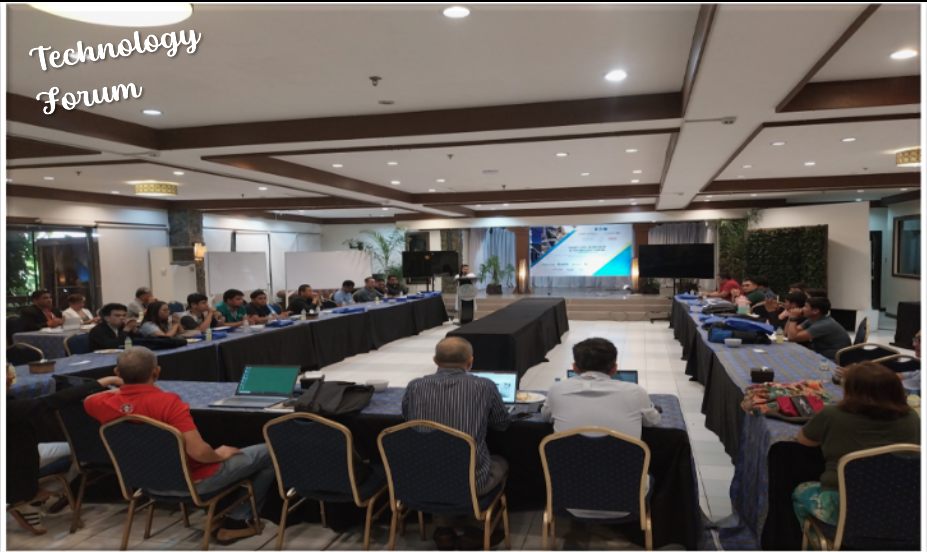
To help address that gap, FLAS, in collaboration with partners RSPOT Solutions Inc., EATON, and USTP-CDO, organized a successful Workshop and Technology Forum in Cagayan de Oro. The event brought together more than 10 electric cooperatives, along with participants from electric utilities, power plants, system integrators, and the academic sector.
The focus was clear: show how a practical SMART GRID ROADMAP can guide electric cooperatives as they modernize their systems, improve operations, and prepare for a more connected energy future.

A Cagayan de Oro forum focused on practical grid modernization
The Cagayan de Oro workshop created a space for electric cooperatives to examine what digital transformation looks like in actual utility operations. The event was not only about technology as an idea. It was about the systems, tools, and field realities that shape how ECs serve their member-consumer-owners.
For many cooperatives, modernization starts with simple but urgent questions:
How can outages be detected faster?
How can field data reach decision-makers in near real time?
How can substations, feeders, meters, and control center speak to each other?
How can ECs add digital systems without wasting past investments?
How can teams build internal capability while keeping daily service running?
These questions shaped the discussion around smart grid planning. A smart grid does not happen through one device, one software platform, or one procurement cycle. It develops through a step-by-step roadmap that aligns operations, people, communications, automation, and data.
That was the value of bringing ECs, technology providers, system integrators, power sector participants, and academic partners into one forum. Each group sees a different part of the challenge. Together, they can map a clearer path from manual operations to connected, data-supported utility management.
Why electric cooperatives need a clear smart grid roadmap
For electric cooperatives in the Philippines, the pressure to modernize is real. Service areas may include urban center, island communities, upland barangays, industrial loads, and fast-growing residential zones. Each area has different demand patterns and reliability concerns.
A smart grid roadmap helps ECs avoid one of the most common digital transformation problems: buying technology before defining the operational need.
A useful roadmap starts with the current state of the network. It looks at available data, existing protection systems, communication links, field workflows, and team capability. From there, the EC can identify which upgrades should come first and which ones can follow.
A clear roadmap can guide decisions in areas such as:
Automation
Which assets should be monitored or controlled first, such as substations, reclosers, capacitor banks, or critical feeders.
Communications
Which connectivity options fit the terrain, coverage needs, and reliability requirements of the distribution network.
Data management
How operational data will be gathered, stored, analysed, and used by engineering and operations teams.
Cybersecurity
How connected systems will be protected as more devices join the utility network.
People and process
How teams will be trained, how workflows will change, and how digital tools will fit daily work.
This approach helps ECs manage change in stages. It also helps leaders make better decisions on budget, integration, and long-term value.
SCADA remains a key foundation for utility automation
One of the major technology areas discussed during the forum was SCADA, or Supervisory Control and Data Acquisition. For electric cooperatives, SCADA is often a core step in moving from manual monitoring to real-time network visibility.
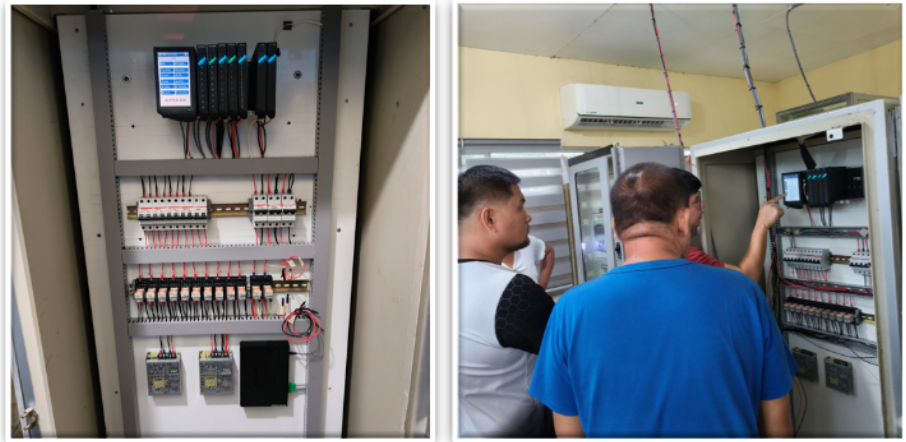
With SCADA, operations teams can monitor critical equipment, check system conditions, identify abnormal readings, and support faster response during service interruptions. It gives the control center a better view of substations and field devices, which can reduce guesswork during faults or switching activities.
For ECs that still rely heavily on phone calls, manual logs, and delayed field reports, SCADA can change how operations teams work. It can support:
Faster identification of affected areas
Better coordination between control room and field teams
Improved monitoring of voltage, current, load, and equipment status
Safer switching procedures
Better records for planning and analysis
SCADA is not just a software screen. It requires reliable field devices, communication links, data points, protection coordination, and trained personnel. That is why it fits naturally within a broader smart grid roadmap rather than as a stand-alone project.

Connectivity is the backbone of the smart grid
No digital system can perform well without reliable communications. During the forum, connectivity using fiber optic and wireless systems formed an important part of the discussion.
For electric cooperatives, the right connectivity design depends on geography, network layout, asset locations, cost, and service requirements. Fiber optic systems can provide high-capacity, stable communications for key facilities and backbone links. Wireless systems can help reach locations where fiber is difficult, costly, or too slow to deploy.
Many ECs will need a mix of both. The goal is not to choose one technology for every location. The goal is to build a communications network that matches operational needs.
A practical EC connectivity plan may look at:
Substation links
Feeder automation devices
Remote monitoring sites
Control center requirements
Redundancy for critical systems
Cybersecurity and access control
Maintenance capability
This is where experienced system design becomes important. Connectivity must be planned together with SCADA, automation, IIoT, and field operations. A weak communication layer can limit the value of every other digital tool.

Partnership helped connect technology with local utility needs
The workshop gained strength from the collaboration between FLAS, RSPOT Solutions Inc., EATON, and USTP-CDO. Each partner brought a useful role to the conversation.
RSPOT and FLAS have been supporting electric cooperatives in addressing the digital gap through energy automation, SCADA, edge computing, IIoT, and connectivity solutions. EATON added global power management experience and technology perspective. USTP-CDO helped anchor the activity in an academic environment that supports learning, technical exchange, and future workforce development.
That mix matters. Digital transformation in the power sector is not only a vendor activity. It also needs local context, engineering practice, training, and long-term collaboration.
Academic participation added another layer of value. Universities and technical institutions help prepare the engineers, technicians, and system designers who will maintain and improve future grid systems. When students and faculty engage with real utility challenges, the sector gains a stronger talent pipeline.
The enthusiastic response from electric utilities and academic participants showed that the topic is timely. ECs are not asking whether digital transformation matters. They are asking how to do it in a way that is realistic, phased, and useful.
What digital transformation can change for EC operations
For electric cooperatives, the shift toward digital systems can affect nearly every part of operations. The most visible benefits often appear in outage response and control room visibility. Yet the deeper value comes from better coordination across planning, maintenance, engineering, and field work.
A well-planned smart grid journey can help ECs improve:
Reliability
Better monitoring helps teams detect abnormal conditions and respond faster.
Safety
Clearer system visibility supports safer switching, isolation, and restoration work.
Asset management
More data helps teams understand equipment condition, loading, and maintenance needs.
Service quality
Faster response and better planning can improve customer experience.
Operational discipline
Digital records reduce dependence on memory, paper logs, and informal reporting.
Future readiness
A connected grid is better prepared for distributed energy resources, advanced metering, and new service models.
These improvements do not appear overnight. They require planning, integration, training, testing, and steady leadership. The workshop helped frame digital transformation as a journey rather than a one-time upgrade.
The digital gap is also a capability gap
Technology can only help when people can use it with confidence. This is one reason the Cagayan de Oro event was valuable. It supported technical learning and gave participants a clearer view of what modern energy automation can look like in practice.
For many ECs, the digital gap includes several layers:
Area | Common challenge | What a roadmap can do |
Systems | Separate tools that do not communicate well | Define integration steps and data standards |
Field data | Delayed or manual reporting | Identify priority assets for monitoring |
Connectivity | Uneven links across service areas | Match fiber and wireless options to network needs |
Skills | Limited exposure to automation tools | Plan training with each project phase |
Budget | Competing needs across operations | Priorities upgrades by operational value |
Closing this gap requires patience. It also requires solutions that fit Philippine utility conditions. ECs need systems that can handle local terrain, existing assets, available skills, and long-term maintenance realities.
A roadmap helps keep the work grounded. It turns a broad digital ambition into a sequence of decisions that ECs can act on.
A stronger path forward for electric cooperatives
The Workshop and Technology Forum in Cagayan de Oro showed strong interest from the power sector in practical digital transformation. With more than 10 electric cooperatives taking part, the event became a meaningful venue for learning, exchange, and planning.
The message was simple: electric cooperatives can modernize their operations through a clear roadmap, reliable connectivity, smart automation, and sustained capability building.
SCADA brings visibility. Edge computing brings local intelligence. IIoT expands monitoring. Fiber optic and wireless communications connect the pieces. Partners such as RSPOT Solutions Inc., EATON, USTP-CDO, and FLAS help bring these ideas closer to actual EC needs.
The next step is to keep the momentum going. Each cooperative can begin by assessing its current systems, identifying urgent operational gaps, and setting a phased plan for automation and connectivity. Progress does not require doing everything at once. It requires choosing the right first steps and building from there.
For electric cooperatives, digital transformation is not a distant target. It is already taking shape through practical forums, stronger partnerships, and a shared commitment to building smarter, more reliable power systems for communities across the Philippines.
Comments